Water
Cooling and process water circuits
Air
HVAC and ventilation systems
Dominance
A probiotic majority, competition and EPS breakdown
Monitoring
Assessment based on your system data
Starting point
The problem is biofilm.
Biofilm consists of microorganisms within a matrix of extracellular polymeric substances (EPS). These deposits can affect system hygiene, flow and heat transfer. Biofilm is one factor alongside water quality, temperature and operating conditions.
A suitable treatment programme considers deposits, water chemistry and microbiology together. Whether and how an existing treatment can be supplemented or changed must be assessed for the individual system.
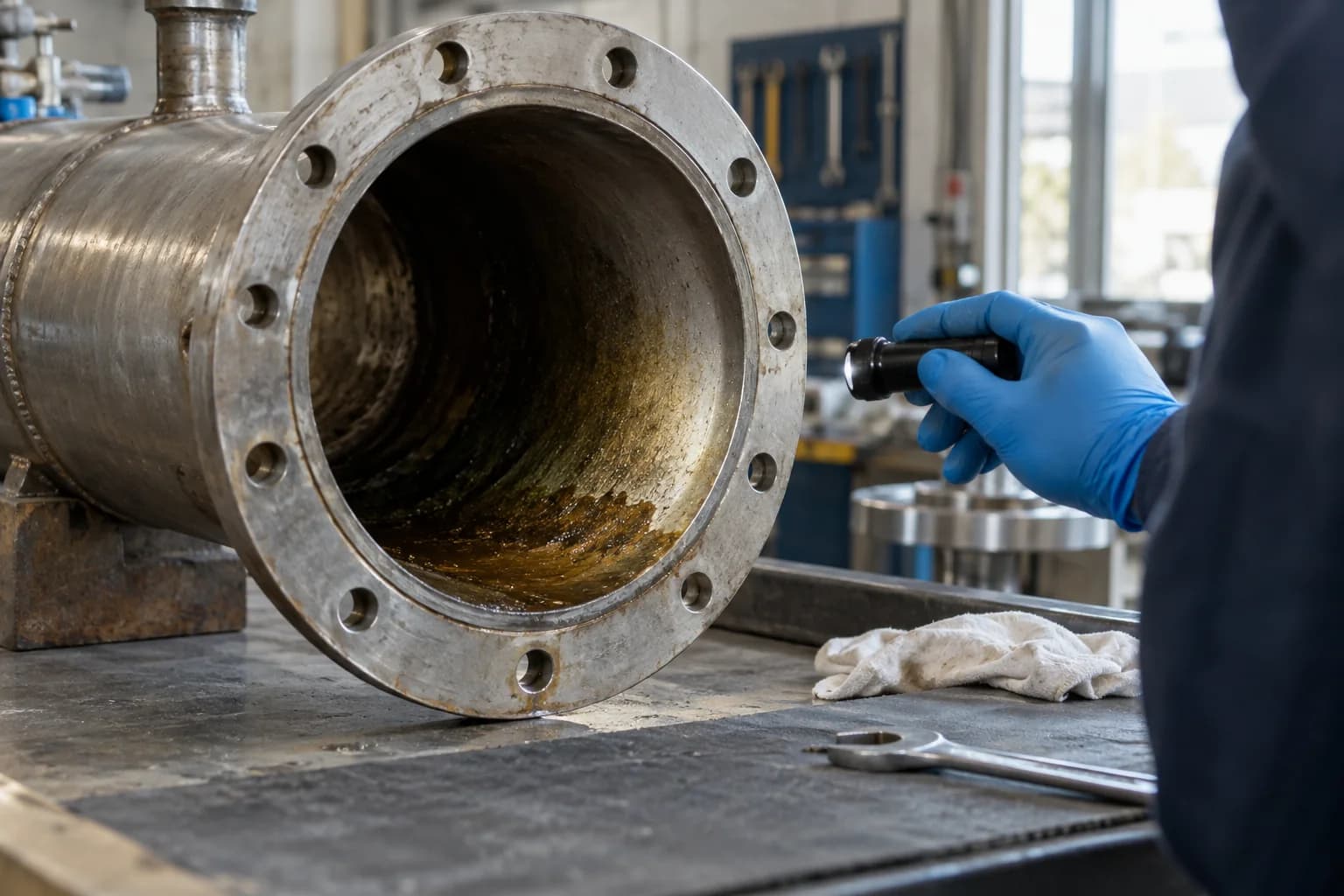
The intended outcome
Fewer deposits. More exposed surface.
A high initial dose creates a probiotic majority. The selected strains compete for food and space and are intended to use existing EPS as organic food without building new biofilm themselves. Compare the initial condition with an intended outcome in the same section of pipe.
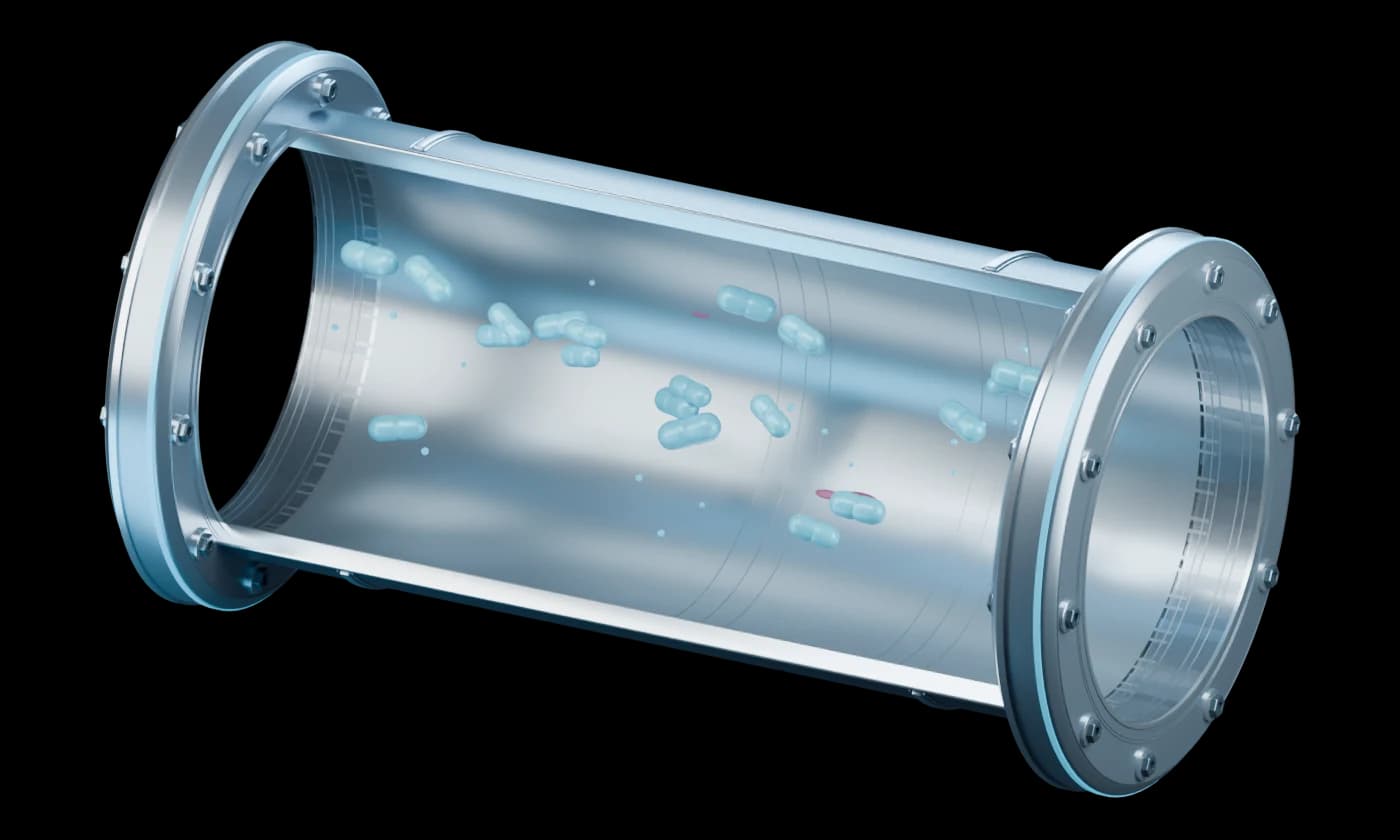
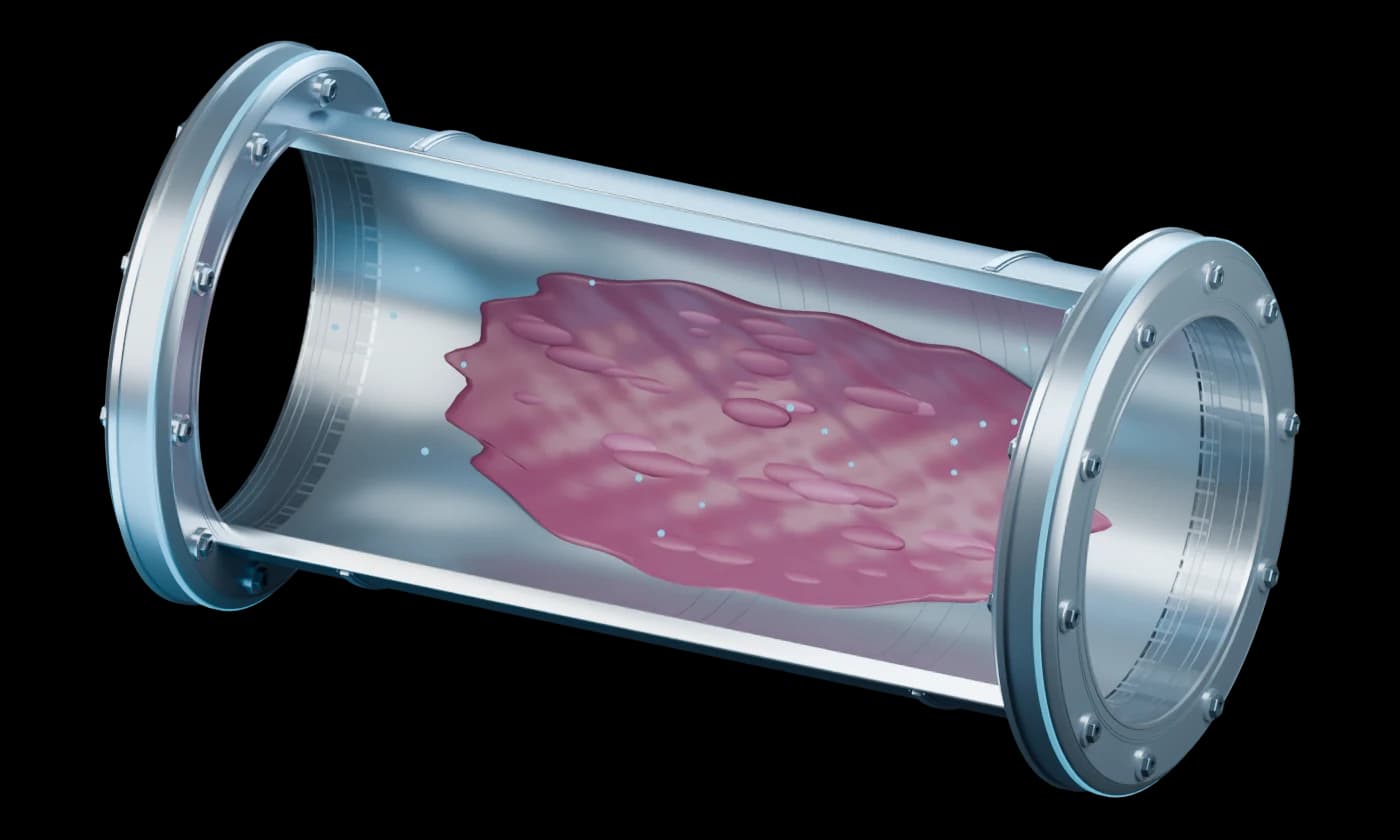
Move the slider to explore the difference. Use the arrow keys to compare. Home shows the target; End shows the initial condition.
Dominance & EPS breakdown
The probiotic majority limits the food supply for undesirable bacteria. Selected strains are intended to metabolise existing EPS deposits.
Support operation
The aim is to expose surfaces to support water flow and heat transfer.
Check the change
Inspections, water analyses and operating data show what changes at your installation.
Mode of action
Four steps in probiotic system care.
- 01
Probiotic majority
A targeted high initial dose establishes a numerical majority of probiotic bacteria.
- 02
Competition & regulation
Bacteria compete for food and space in their shared environment, limiting unwanted growth.
- 03
Population turnover
Both bacterial groups undergo population turnover. Reproduction and replenishment are intended to maintain the probiotic majority.
- 04
EPS breakdown & system care
The selected strains are intended to use EPS as organic food without building new biofilm themselves.
The objectives we assess for your system.
- Reducing the food supply for undesirable bacteria
- Limiting renewed biofilm formation
- Assessment of microbiological changes
- Monitoring during operation
- Integration with the existing hygiene programme
- Checking material compatibility
- Assessment of odour problems
- Monitoring corrosion and biocorrosion
- Comparison of relevant performance indicators
- Coordination with existing water additives
- Application following product-specific safety assessment
Two fields of application, one principle.
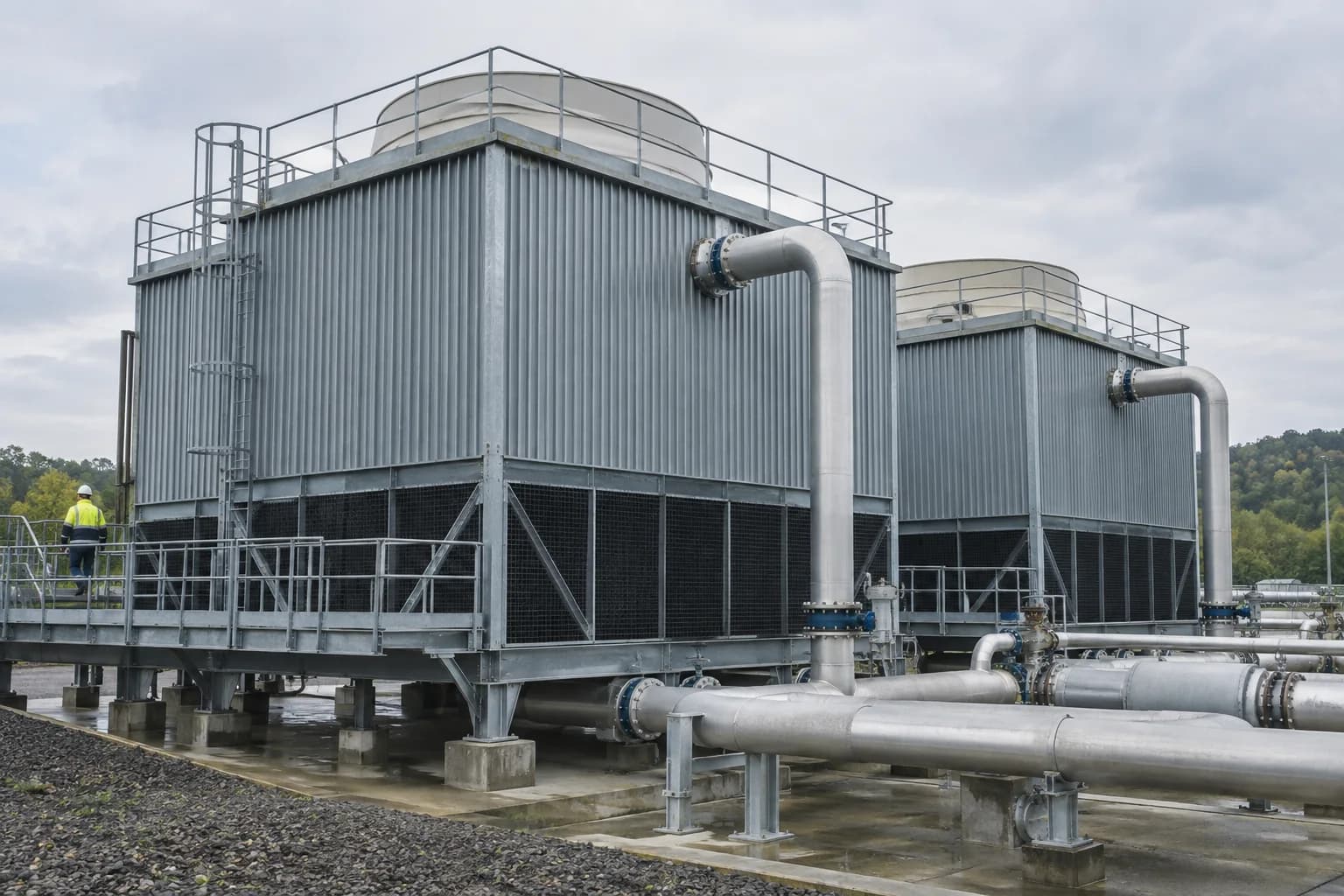
Water
Cooling and process water
Biofilm management for recooling systems, wet scrubbers and process water circuits: system assessment, dosing plans and ongoing monitoring.
Water treatment →
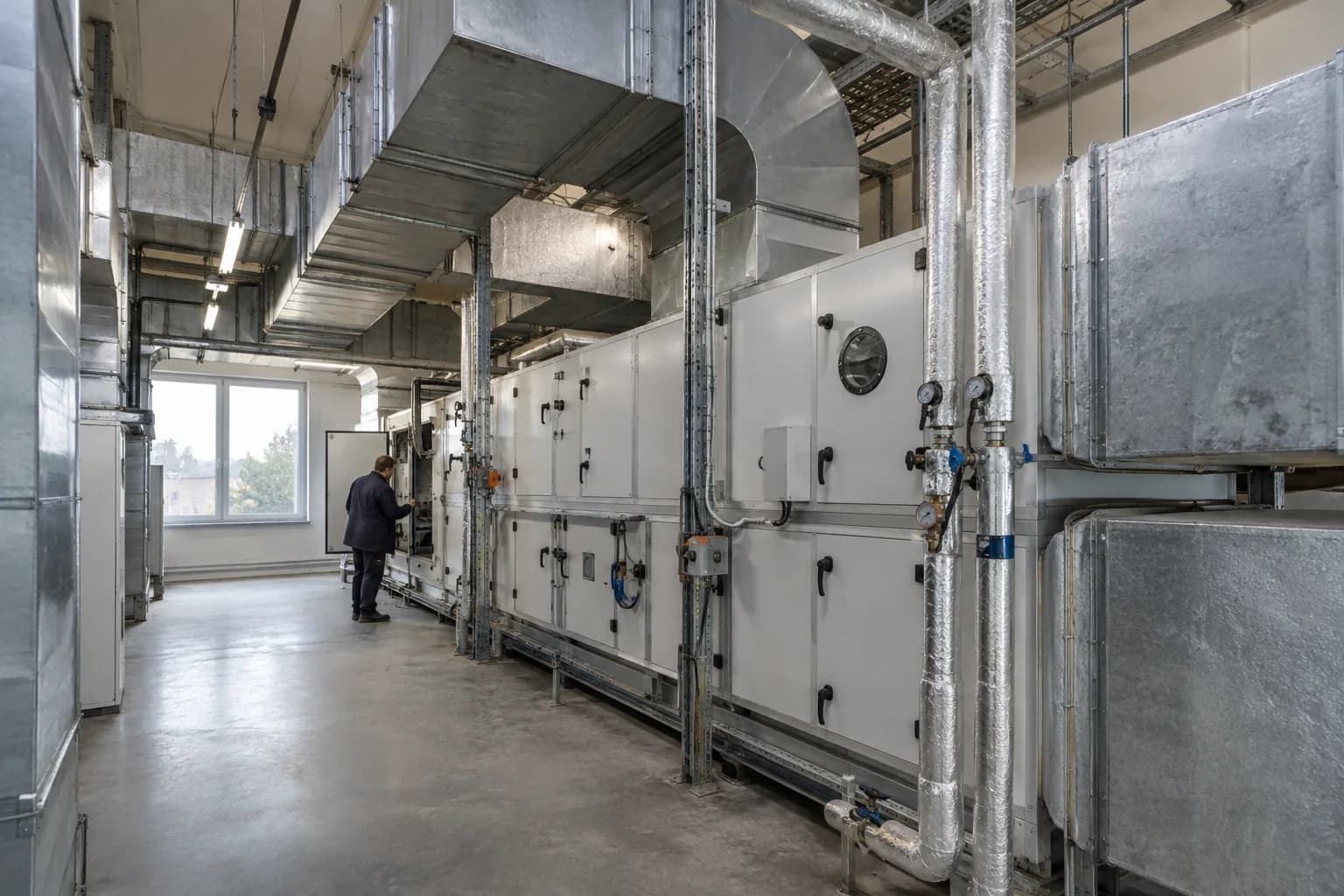
Air
Probiotic air treatment
An approach to organic residues in HVAC and ventilation systems. Suitability and application are assessed for each system.
Air treatment →
VDI 2047-2 · 42. BImSchV
System hygiene needs a verifiable programme.
Germany’s 42. BImSchV sets duties for systems within its scope. VDI 2047 Part 2 provides guidance on hygienic operation of evaporative cooling systems. Treatment, sampling and records must work together; a treatment method alone does not establish compliance.
Compliance in detail →References
Insights into industrial applications.



We will assess your system — without obligation.
Send us your system data and water analysis. You receive an assessment of biofilm load, dosing concept and economics.